With the release of Zerto 10, Keycloak has become the integrated identity and access management (IAM) solution, helping to manage and authenticate users securely. When integrating Zerto 10 with Active Directory (AD) using LDAPS (LDAP over SSL), a certificate is essential to establish secure connections. LDAPS requires a trusted SSL/TLS certificate to authenticate the connection... Continue Reading →
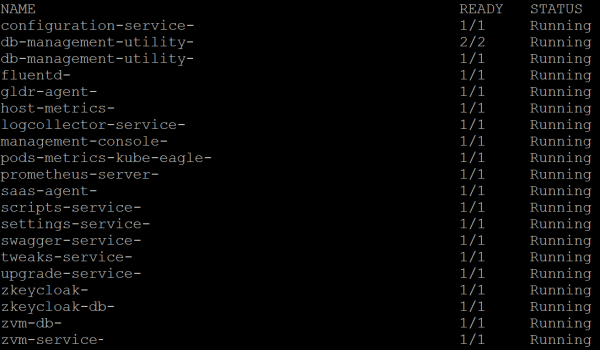
How to Check Services Status In Zerto 10 Appliance
In Zerto 9.7 on Windows Server, checking the services status was fairly easy for everyone. Howerver, since Zerto 10 is available only as an Appliance, this is not that obvious and not everyone knows how to do that as there is no official documentation for this. It is worth to know how to verify services... Continue Reading →
How to Upgrade Zerto 10 Using an Offline Bundle
Upgrading Zerto 10 is essential to ensure you're benefiting from the latest features, bug fixes, and performance improvements. While many users opt for online upgrades, there are scenarios where an offline upgrade using an offline bundle is more practical, such as in environments without direct internet access or stringent network security requirements. This guide will... Continue Reading →
The Importance of Disaster Recovery: Lessons from the Recent CrowdStrike Update Incident
Recently, a significant server outage occurred, affecting systems running on Windows Server. The disruption was caused by the release of a faulty update for CrowdStrike, which led to widespread blue screens of death (BSOD) on servers. This outage paralyzed airports and banking systems worldwide. To fix the affected servers, administrators had to boot them in... Continue Reading →
Disaster Recovery-as-a-Service (DRaaS) Market Growth
In the fast-evolving landscape of technology, businesses are increasingly turning to Disaster Recovery-as-a-Service (DRaaS) to shield themselves from the unpredictable forces of nature and cyber threats. The DRaaS market, valued at $6.5 billion in 2021, is poised for a remarkable ascent, projected to reach $60.4 billion by 2031 with an impressive CAGR of 23.9%. Empowering... Continue Reading →
How to Migrate Windows Zerto 9.7 ZVM to Linux Zerto 10 ZVM
Zerto is a powerful disaster recovery and business continuity solution that enables organizations to protect their critical data, applications and VMs from potential disruptions. Zerto version 10 is available only as a Linux appliance. This article will guide you through the process of migrating from a Windows-based Zerto Virtual Manager (ZVM) 9.7 to a Linux-based... Continue Reading →
Monitoring ZVM-vCenter Connection Using Powershell
Zerto Virtual Manager VM requires continuous connection to vCenter, which it supports. Once the connection is somehow interrupted, you will not be able to access the Zerto Portal and perform any actions such as failover. Fortunately, replication should not be interrupted as it is performed by the Z-VRAs installed on each ESXi host. In vCenter... Continue Reading →
Moving Replicated Disk to Other Datastore Using vMotion
In the VMware infrastructure, Zerto is replicating VMDK disks and builds journal history of available checkpoints for recovery. Depends on the size of the disks and the journal history needed, you need to have sufficient disk space available on datastores in DR site. Sometimes, because of lack of free space on the datastore or any... Continue Reading →
Maintenance of ESXis Without Interrupting Zerto Replication
If you have implemented Zerto in your VMware environment, you probably already know how Zerto replication works. Z-VRA VM is installed on each ESXi host, which is Zerto Virtual Replication Appliance. Once Z-VRA is installed on an ESXi host, you can add any VM from that host for replication. Z-VRA replicates this VM to the... Continue Reading →